Indigenous Design frameworks
20 years on, it’s time to put the Double Diamond to bed.
It’s helped standardise and promote design approaches, but it doesn’t reflect how we navigate complexity in Aotearoa.
Although Māori were designing and innovating long before Europeans arrived, this knowledge wasn’t traditionally documented with pen and paper. Luckily, over the past decade, a bunch of smart people across the motu have been gathering, creating, and testing indigenous ways of designing.
The best thing about Māori approaches to design?
They’re often rooted in relationships, whakapapa, and cycles of change rather than linear problem-solving. They can feel more grounded than models imported from overseas—because they reflect who we are, where we come from, and how we work (or want to work) in Aotearoa.
They also create a window into te ao Māori, helping designers like me connect with whakapapa through practice.
Āe, there’s still plenty to work out—especially around who can or should use these frameworks. But for now, I’m just stoked they exist.
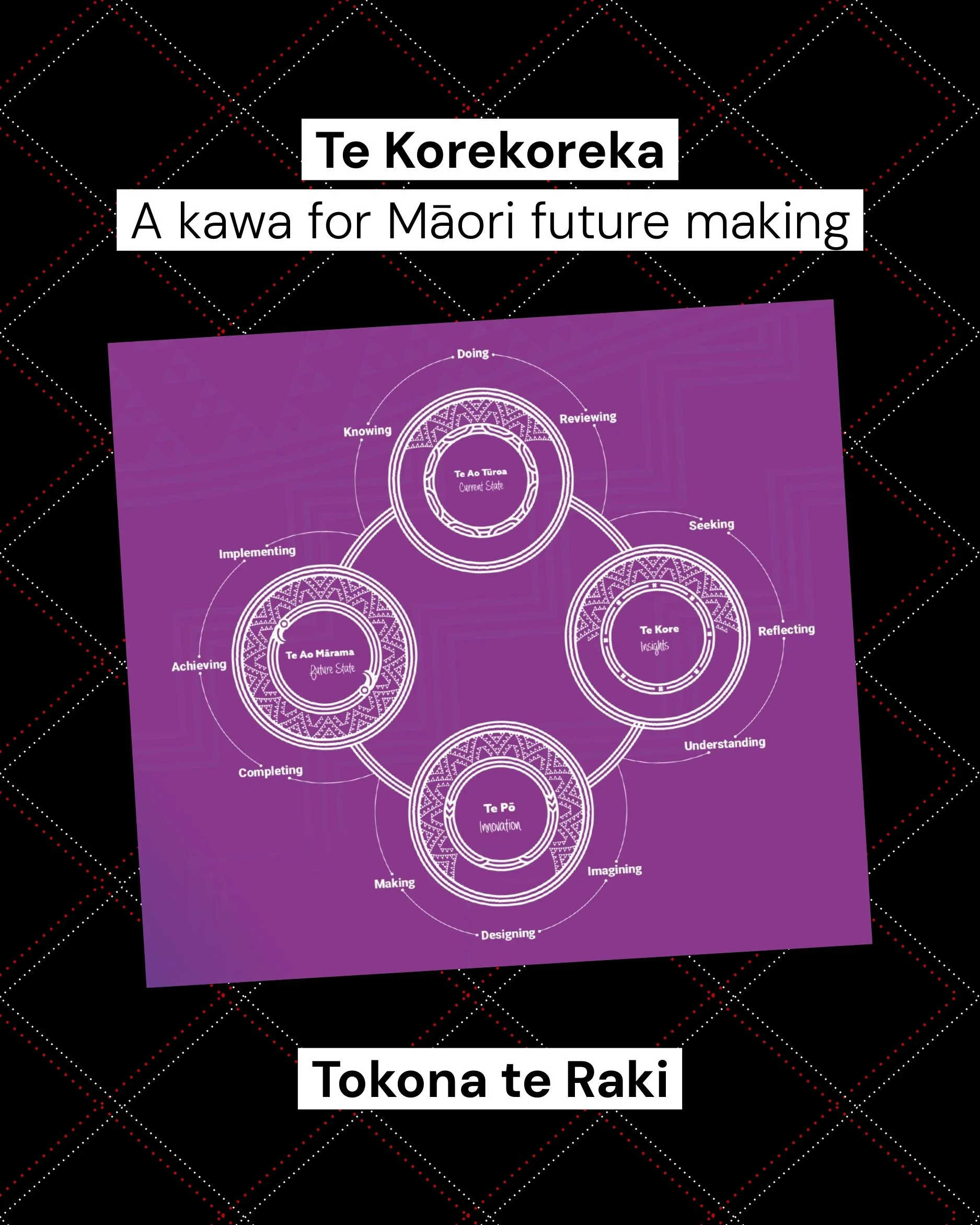
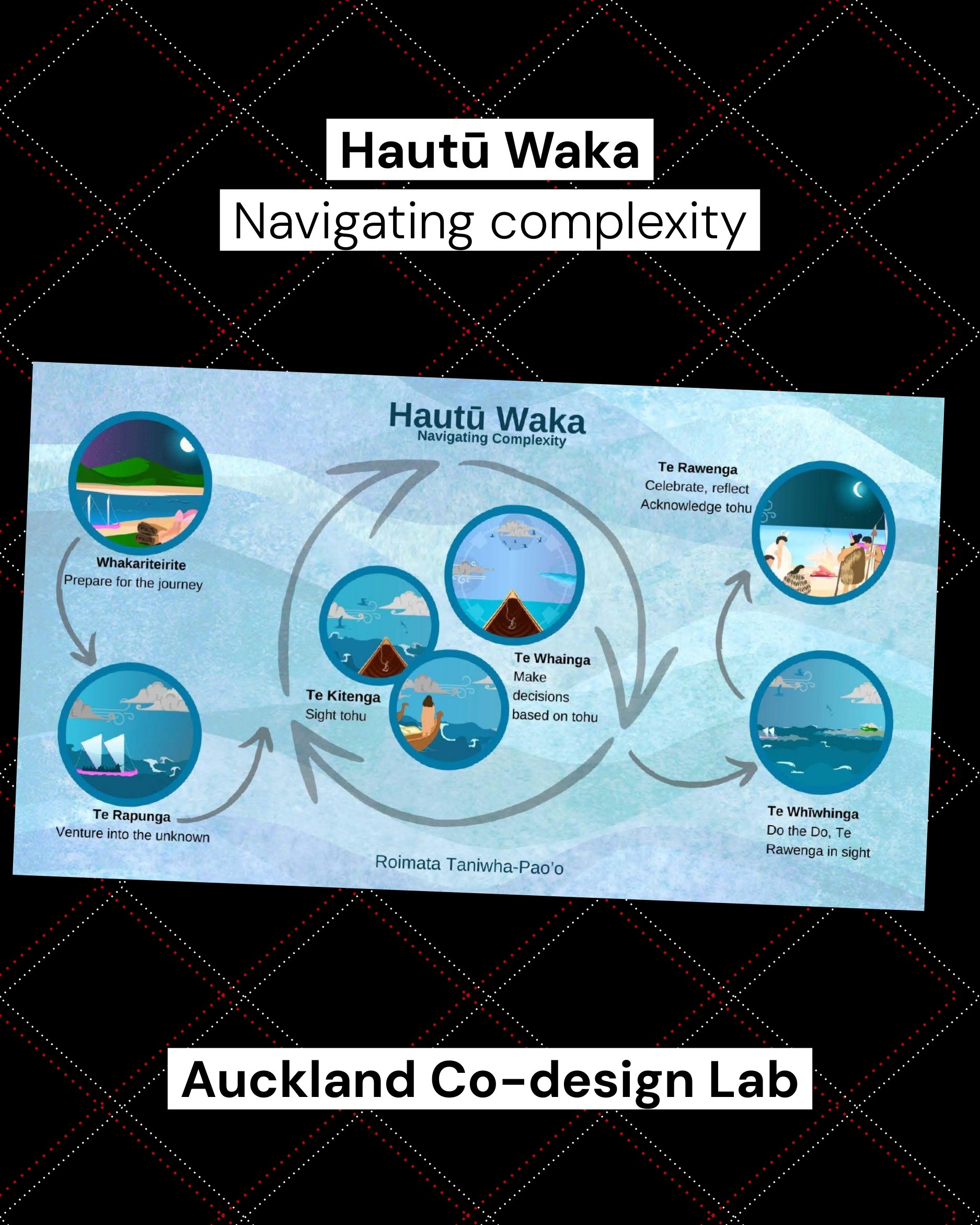
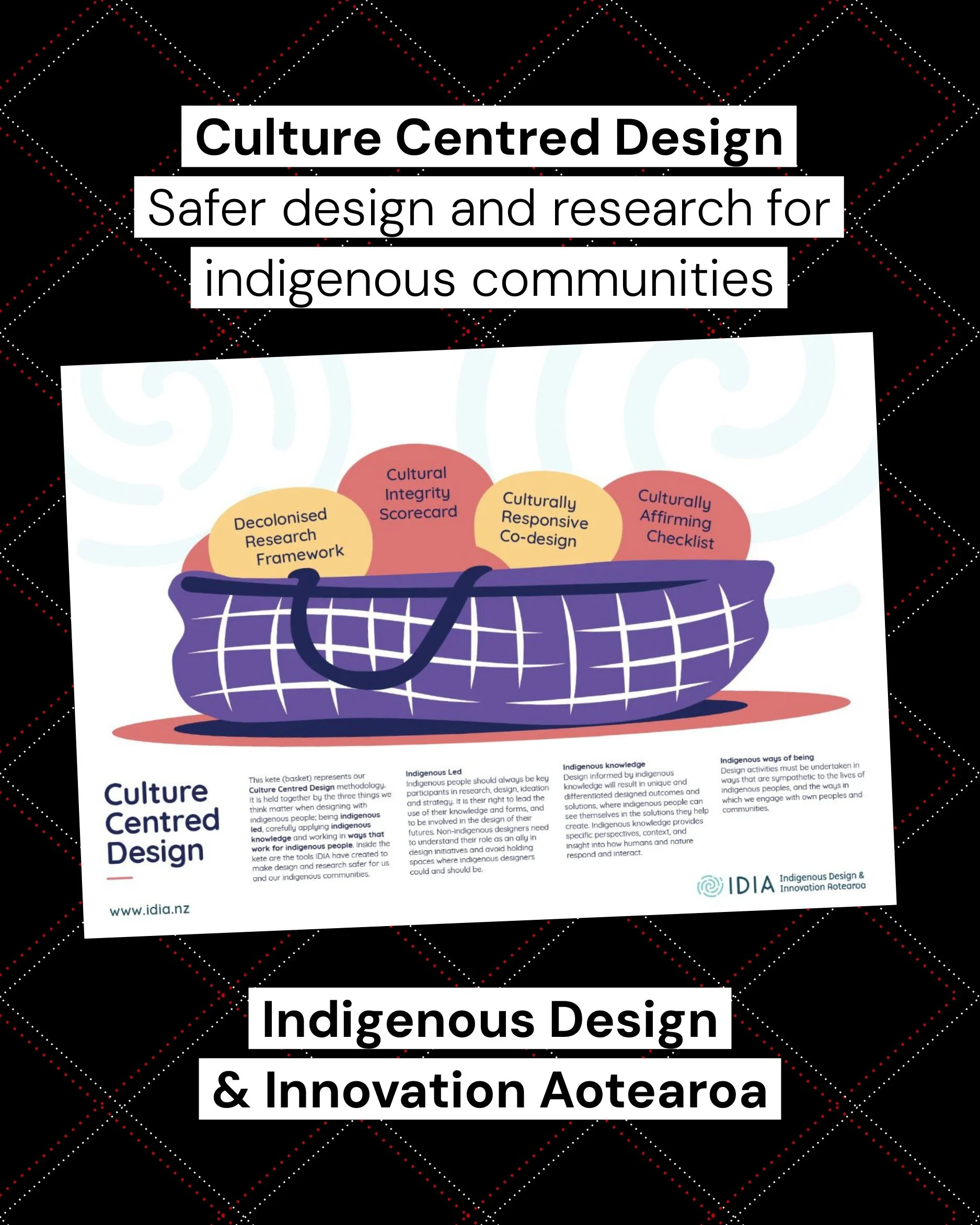
Check out four below, or see more examples in the comments of my original post on Linkedin:
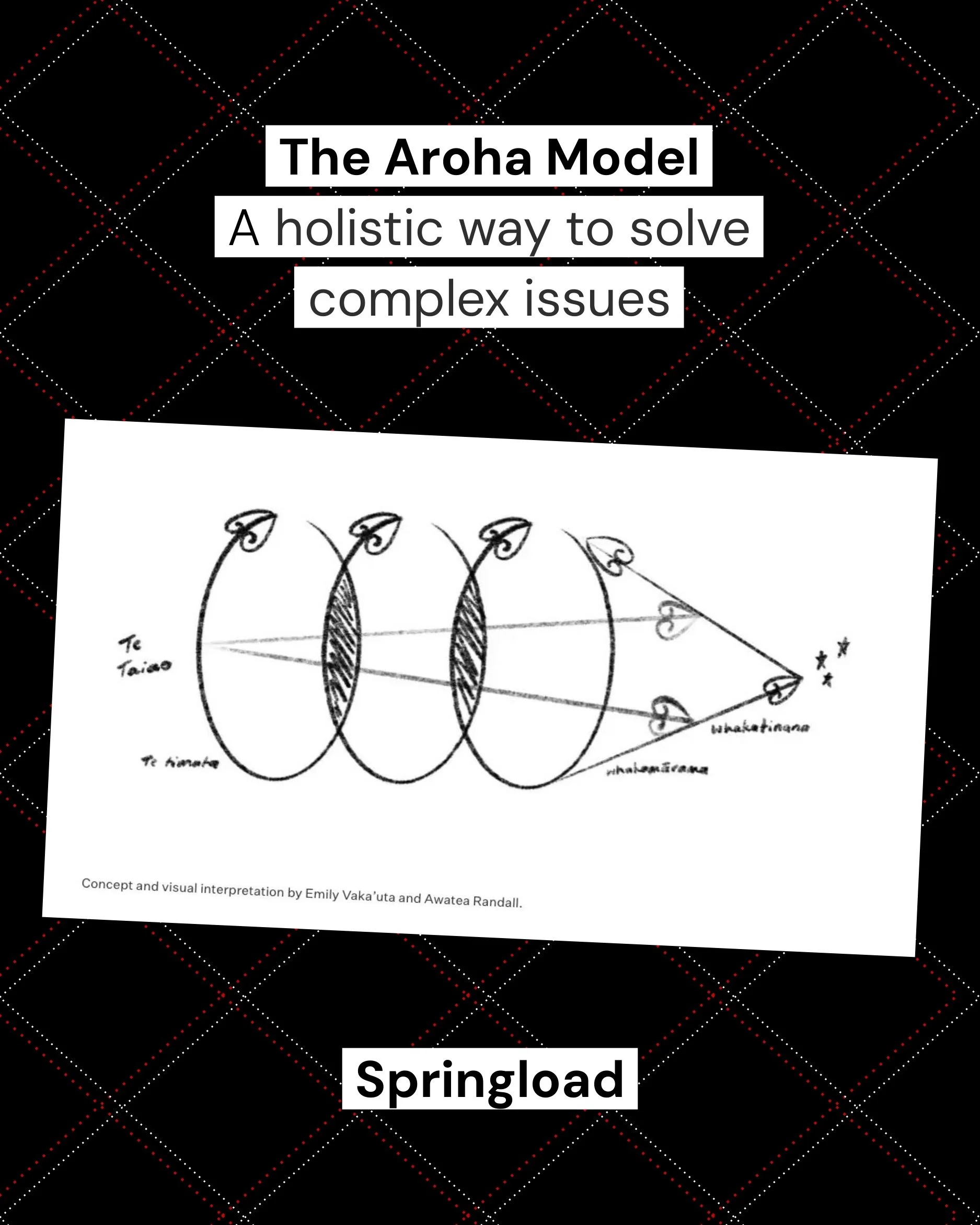

If you’d like to explore using a Māori (Ngāi Tahu) design framework to shape your strategy session or design process, get in touch.